Specific Player Profiles
Guidance based on your child's specific situation. Covers late developers, early developers, highly talented players, kids who struggle socially, positional questions, and players at different points in the pathway.
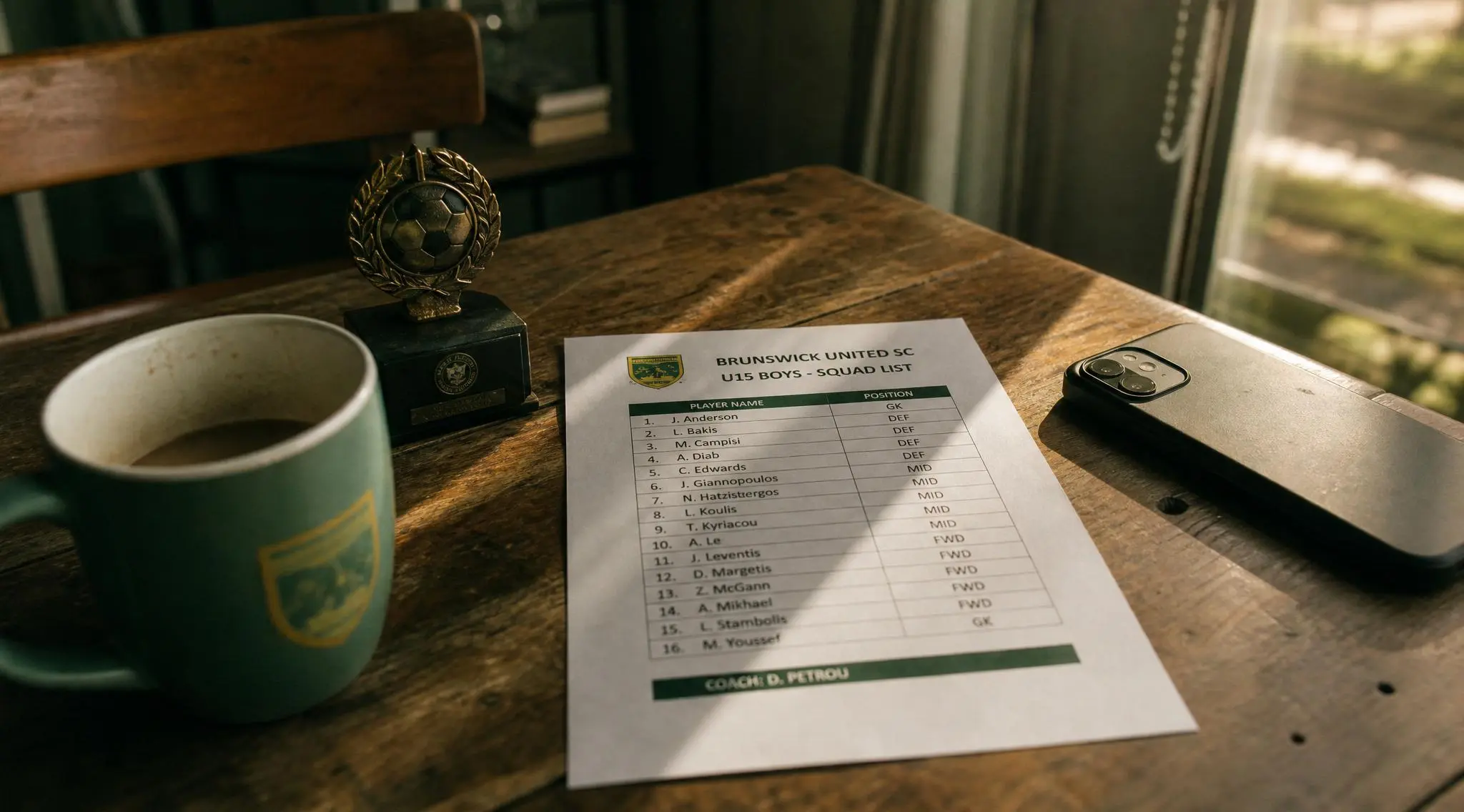
Reading selection results through the RAE lens: the question to ask.
A junior football squad list is just a list. It tells you who got picked, not how the panel got there. Here is the single question that exposes whether the relative age effect did the selection for you, four kinds of answer you might get, and what each one means for the family decision you make this week.
Read article →
The introvert at football: how to support without forcing
Your nine year old loves training. They go quiet on Saturday. The mistake parents and coaches make is reading reservation as a deficit and reaching for tools that worsen it. NIH 2025 research confirms introversion is stable from infancy through to age 26. About half of any junior team. What works on game day, what to never do, and the reframe for parents who were the loud kid.
Read article →
The late developer: why it might be the best thing that ever happened
Your 11 year old is half a head shorter than the kids being picked. The Relative Age Effect is real and well-documented in football: 5x more first-quarter kids in academies than fourth-quarter kids, with no difference in actual physical capacity. The bias inverts at senior level. The danger window is 13 to 14, when most kids drop out. The single biggest predictor of pathway success for a late developer is staying in the game.
Read article →