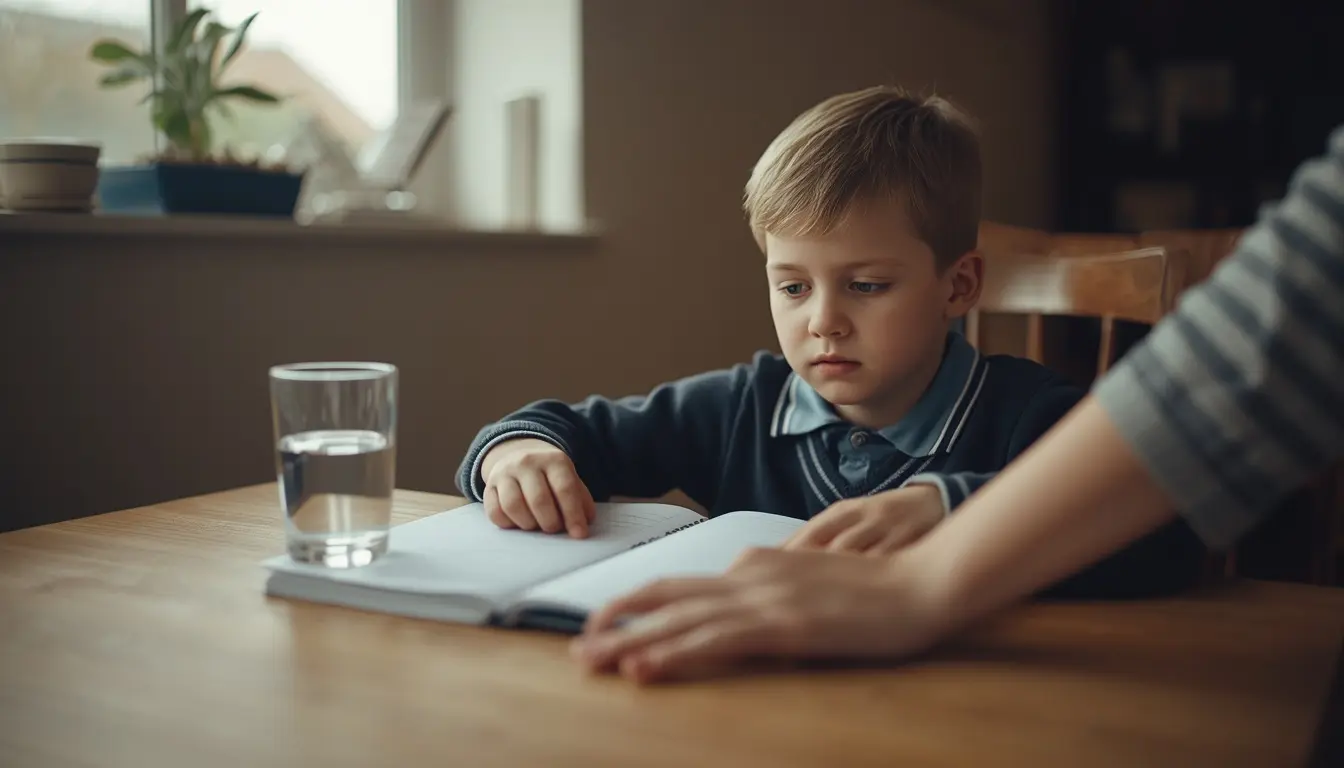
Your kid took a head knock at training on Tuesday. The doctor confirmed concussion on Wednesday. By Thursday morning you are standing at the kitchen door watching them shoulder a school bag and wondering whether to say anything to the school at all.
This is the wrong week to say nothing. Return-to-learn is not the soft cousin of return-to-play. It is the harder one. The brain after a concussion responds to a busy classroom the same way it responds to running, only the symptoms come on slower and parents miss them.
Here is what the next two to four weeks should look like, the four-step framework Australian paediatricians use, and the conversation you need to have with the school by Friday.
Cognitive load is real load
Concussion makes the brain less efficient at handling input. Screens, reading, classroom noise, lunchroom crowds, fluorescent light, and the running maths problem in the back of your kid's head all draw on the same recovery budget as running drills do. The Australian Institute of Sport's national position statement is clear that cognitive activity, not just physical activity, can worsen symptoms in the recovery window.
This is why a kid who feels fine at home on the couch can come home from school on day three with a headache they did not have at lunchtime. The school day used the budget. The headache is the receipt.
Return-to-learn comes before return-to-play
The accepted Australian sequence is: rest first, return to learning second, return to sport third. Return-to-learn is the staging ground for everything else. If your kid cannot tolerate a full school day without symptoms, they are not ready for non-contact training, let alone a match. The clinical guidance puts it bluntly: kids should not be cleared for sport until they have first returned successfully to school.
This catches a lot of parents out. The instinct is to ask the GP about footy first because the next game is on the calendar. The right question is: what does the school week look like.
The four-step return-to-learn framework
The framework Australian paediatric services use moves through four steps, each typically 24 to 48 hours apart, with regression to the previous step if symptoms come back.
Step 1. Rest at home. First 24 to 48 hours. No school, no homework, no screen-heavy activities. Quiet activity is fine. Light walking, conversation, listening to music. The old advice was strict dark-room rest. The current evidence is against that. Light activity that does not provoke symptoms helps recovery.
Step 2. Light cognitive activity at home. Short reading, school-related thinking, board games. Fifteen to thirty minutes at a time, breaks in between. If symptoms come back during the activity, stop. If they come back later, the load was too high.
Step 3. Part-day school return. Half days. Quiet starts to the morning. Permission from teachers to leave class if symptoms increase. No tests, no rushed catch-up, no sport at recess or PE. The school environment introduces noise, social load, and crowd density that the home environment does not.
Step 4. Full school return without testing. Full days. Normal class load. No exams, no scheduled assessments yet. Once your kid handles a full school week without symptoms, they move to full school plus tests. Only then does return-to-sport begin.
Adolescents typically take two to four weeks to clear all four steps. Under-13s often take longer than adults. If your kid is still on step 3 after week three, that is information for the GP, not a reason to push through.
The conversation with the school
The school is not running a medical assessment. Schools rely on you, the parent, to tell them what the GP has said. By Friday of the injury week, the school needs three things from you in writing or in a phone call:
- The diagnosis date and the GP-recommended timeframe before full return.
- The current step on the framework and what that means in practice this week.
- A point of escalation if symptoms worsen at school. Usually the school office calls you, you collect, the GP reviews.
Most schools handle this well when they know. They handle it badly when they do not. A teacher running a maths test on a kid in week one of concussion recovery is not malice, it is a missed message. Send the message early.
When to ring the GP again
Symptoms that worsen rather than ease over a week are a reason to go back to the GP, not to push harder. Specific things to flag are: persistent headache that is not easing day on day, vomiting, confusion, irritability that is out of pattern for your kid, sleep changes that are not improving, and any new symptom that appears later in the recovery window. The Australian framework treats persisting symptoms as a step back to the previous level for at least 24 hours symptom-free before moving up again.
Football clearance comes from the GP, not from the coach and not from the league rules. Until step 4 of return-to-learn is clean, return-to-play is not on the table.
A note from one parent to another
This is the article a parent who has done it once would write for a parent doing it for the first time. We are not doctors, we are not psychologists, and we are not a substitute for either. If you are unsure about a symptom, ring your GP. Football will keep. The brain you are protecting is the only one your kid gets.
When you have a moment, the rest of the cluster fills in the picture: the sideline first five minutes, the first 24 hours, the first week, and return-to-play. The whole library is built like this, parent-to-parent, on the assumption that nobody handed you the manual when your kid started playing.