Selections, Trials, Transitions
How selection and trial processes actually work by state and level, what coaches are looking for, how to prepare your child for trials, what to do when they miss out, and how to manage the decision to move clubs.

The night before a trial: the three things to avoid.
It is Sunday evening, the trial is 9am tomorrow, and the kid is asking whether to do extra ball work in the backyard. The three things to avoid the night before a trial, and the three things to do instead.
Read article →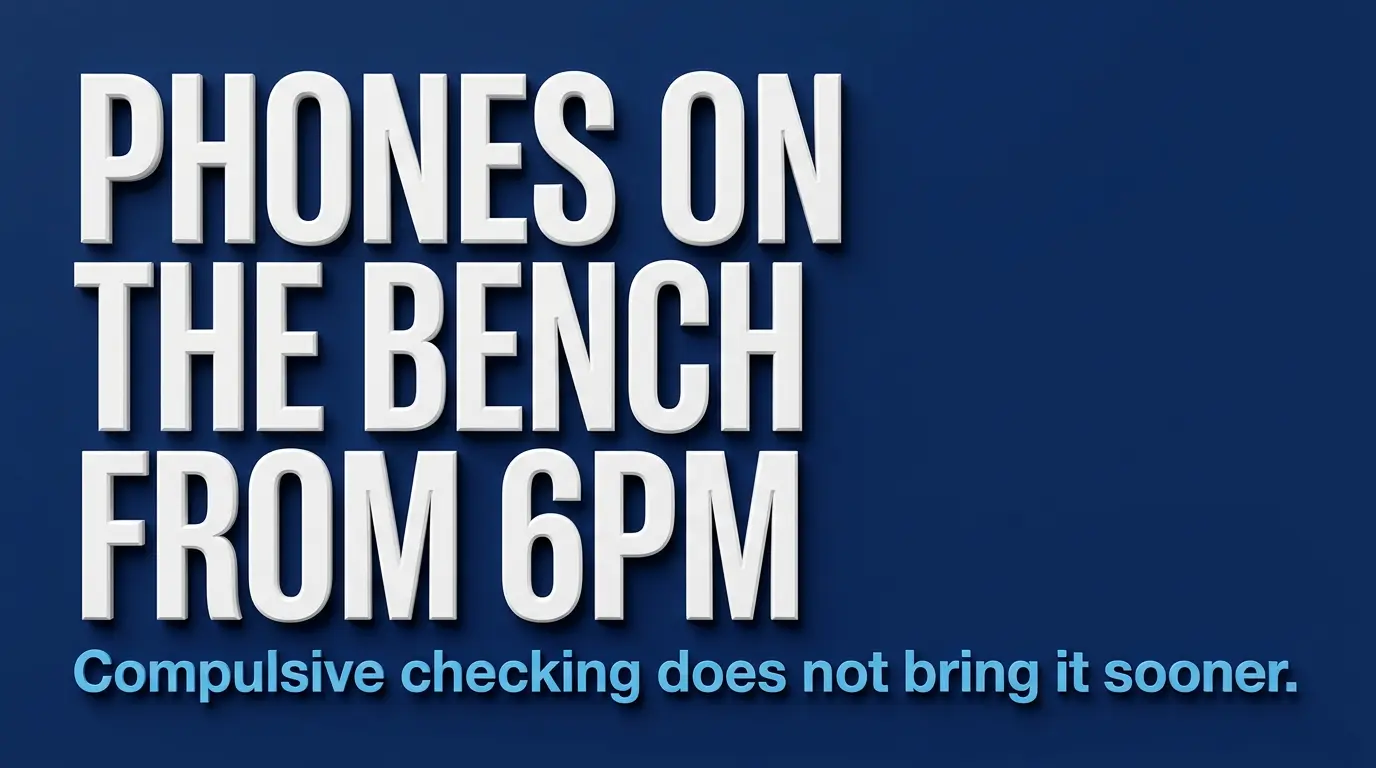
The trial aftermath: how to manage your child through the wait.
The trial finished three days ago, the club said up to two weeks, and the kid is reaching for their phone every twenty minutes. The framework for the 7 to 21 day wait.
Read article →
What to say driving home from a trial.
The trial is over. The kid is buckling into the back seat. The three categories of question for the drive home from a trial, and the four things to never ask.
Read article →
What to say in the car driving to a trial.
Twenty minutes in the car to the trial. The single sentence to say, and the three things to never say. Just play. Whatever happens is fine. We are proud of you for being here.
Read article →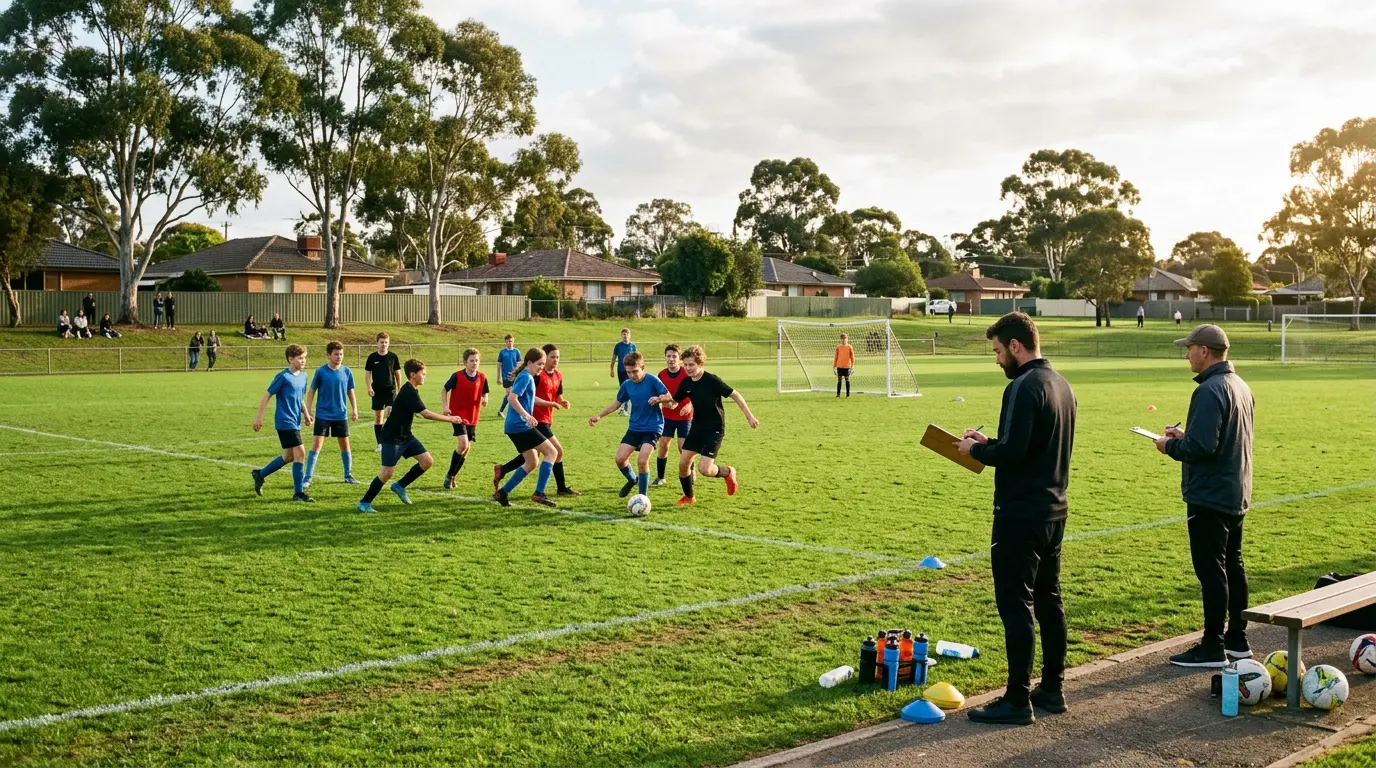
How selections actually work at rep level
Your kid has been invited to trial. The email tells you the date, the venue, what to wear. Nobody tells you what the selection actually is. Most rep is not rep. Real rep has two roads. The trial mechanic is more readable than it looks. And the three weeks before matter more than the day itself, because most of the fear in the room is yours, not theirs.
Read article →
The morning of a trial: the routine that sets up the best chance.
Trial 9am. Alarm 7am. The 90-minute routine that puts the kid at the registration desk with margin to spare: wake-and-hydrate, light breakfast, gear and bathroom, leave at 8:15 for a 20-minute drive.
Read article →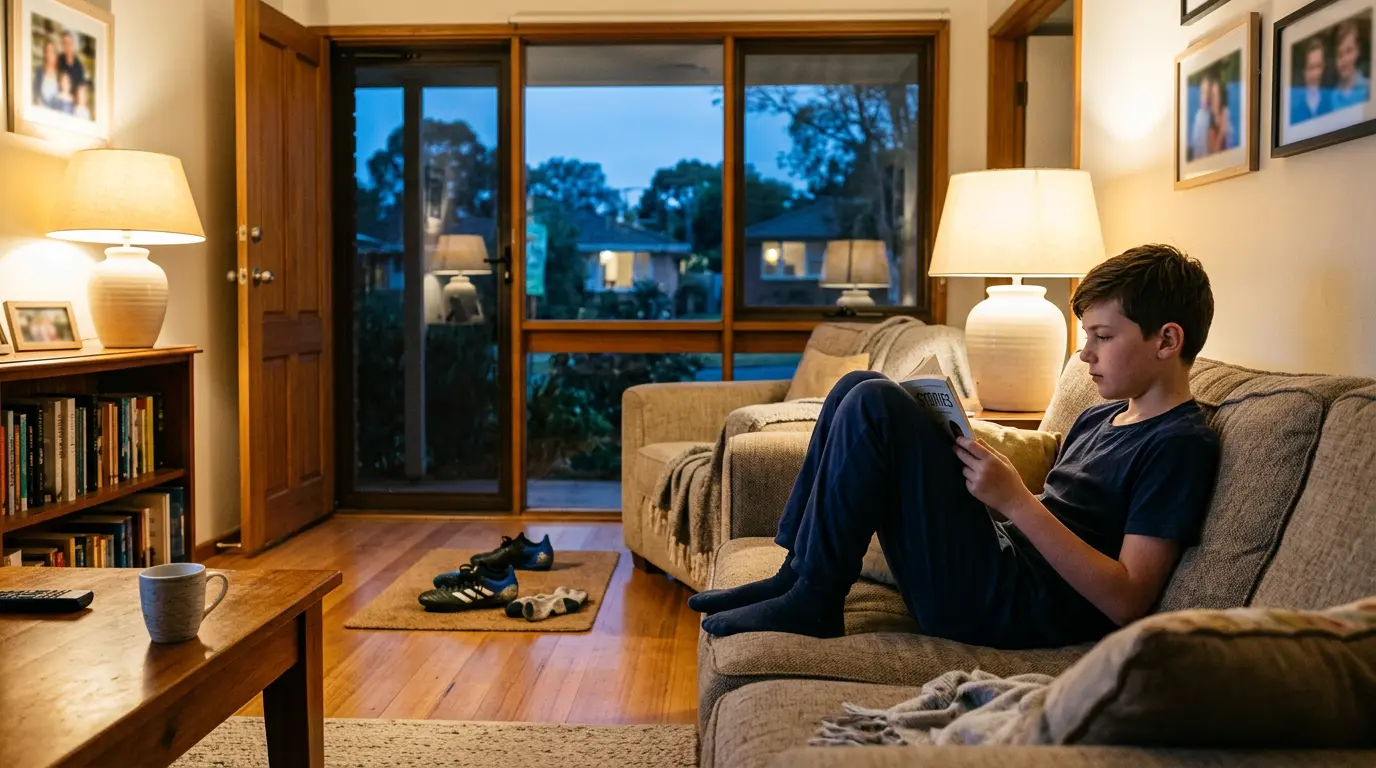
The week before a trial: the schedule that works
Trial is Sunday. Today is Monday. The instinct that lands first is the wrong one. Most parents train more in trial week. Sport-science research is unambiguous: tapering training intensity in the 48 to 72 hours before a key performance improves outcomes. Loading up reduces them. The seven-day plan, the science behind each element, and what to skip.
Read article →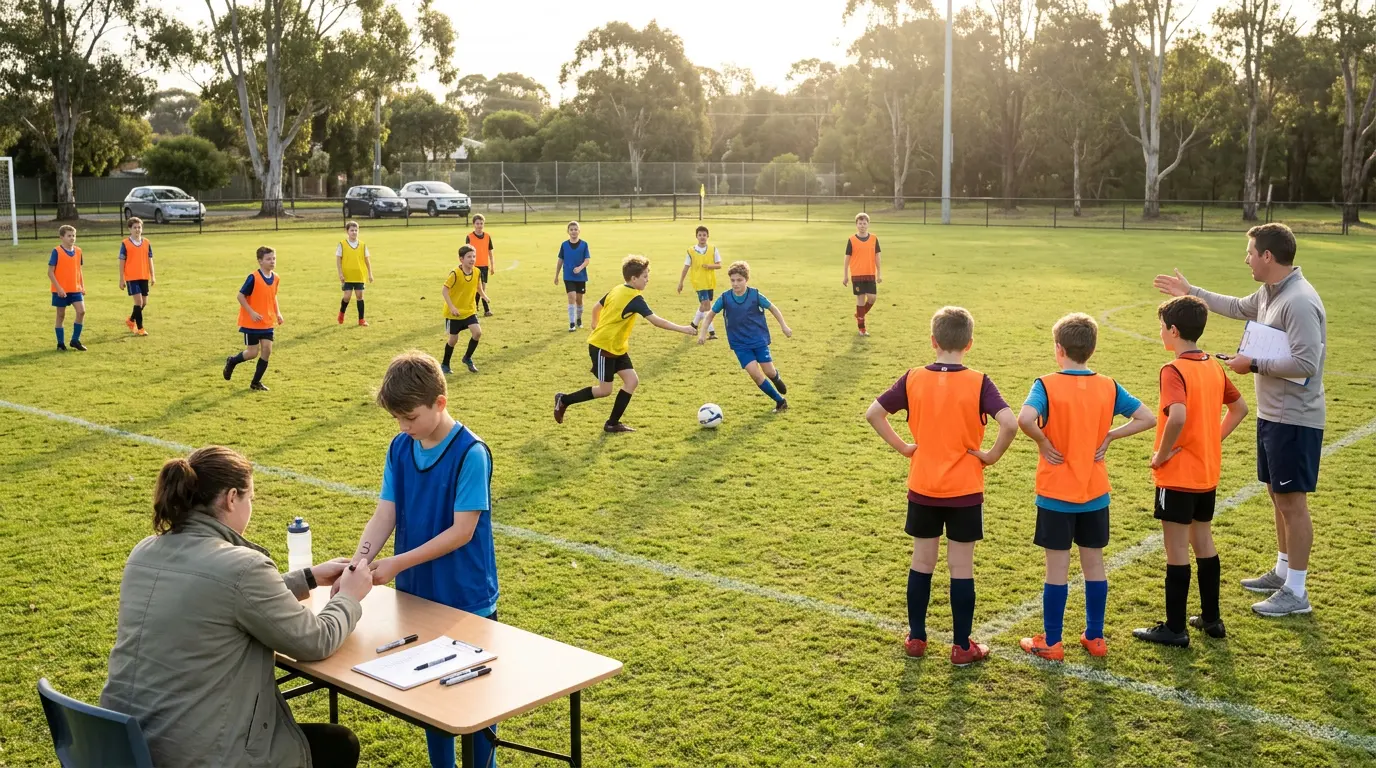
Watching your kid trial: what to look for from the sideline
Your kid has a trial on Sunday. Most parents on the sideline watch for goals because goals are the obvious thing. Soccer-academy research is unambiguous that goals are not what selectors weight. Touches, time on the ball, decision speed, off-ball movement, composure between drills. What good play actually looks like, what NOT to do during the trial, and the car ride after, where most damage happens.
Read article →
What they say versus what they mean: the selection code
Your child trialled three weeks ago. The email lands. Subject line trial outcome. The phrases that show up across most non-selection and selection emails, what each tends to mean, and the part most blogs get wrong: your right to written reasons does not live in the NPL Roster Principles. It lives in your state bodys representative selection policy.
Read article →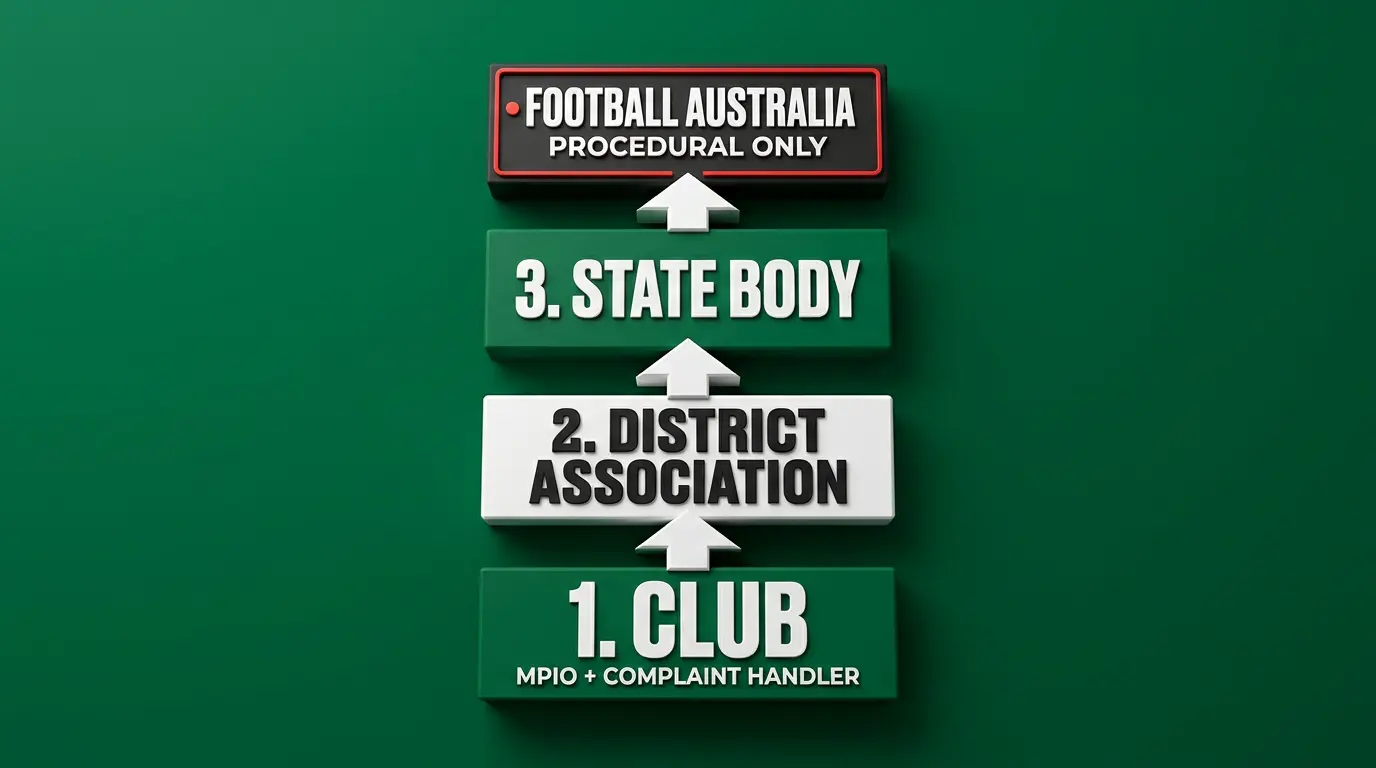
When your child's retention is reversed without explanation: what you're entitled to ask, who to contact, and what the rules say.
The email at 9pm reversing your child's retention. What the rules actually say a club must do and not do, who you contact in what order, what you are entitled to ask for in writing, what you cannot ask for, and where the formal escalation route ends.
Read article →