Health and Safety
Injuries, concussion protocols, how to tell serious from minor, prevention, return to play, mental health warning signs, lifestyle factors that affect performance, and what your insurance actually covers.
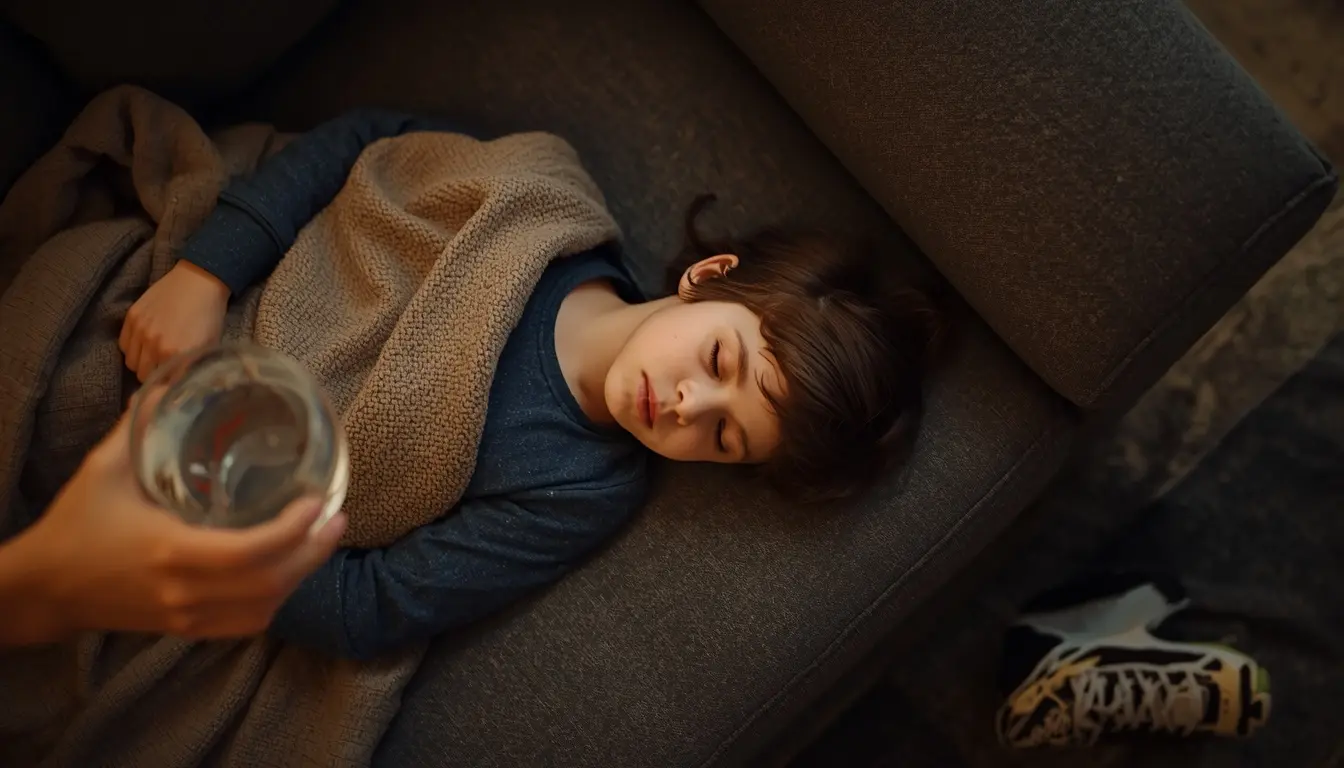
Concussion in the first 24 hours: exactly what to do, step by step.
The kid took a head knock, you pulled them off, and now it's Saturday evening at home. The medical guidance changed in the last few years and the old advice (wake them every two hours, dark room, complete rest) is mostly wrong. What to actually do across the first 24 hours.
Read article →
Concussion in the first week: the rules that protect your kid.
What the first week after a junior football concussion looks like. The 21-day standdown, the 14-day symptom-free count inside it, gradual reintroduction days 3 to 7, school in pieces before sport, and the second GP visit that signs off on starting return to play.
Read article →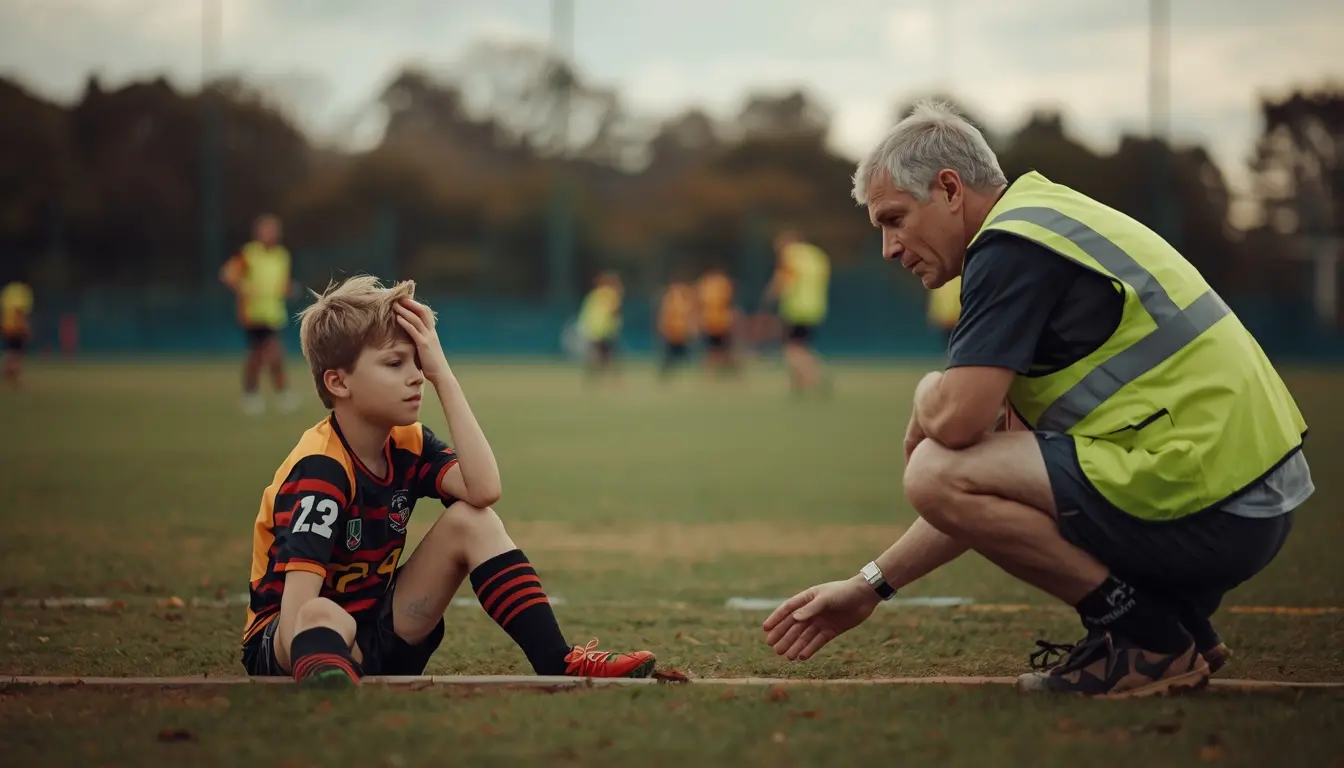
Concussion signs in the first five minutes: the ones that get missed
The TV picture of concussion is a knockout. The reality at junior football is subtler. The signs that show up in the first five minutes, the four-word rule that resolves every borderline call, and what to do when you're not sure.
Read article →
Ice, heat, rest: the minor-injury decision that most parents get wrong.
Your child limps off the field clutching their ankle, and you're already mentally scrolling through what's in the freezer. Ice first or heat first? Getting it wrong could mean sitting out the rest of the season.
Read article →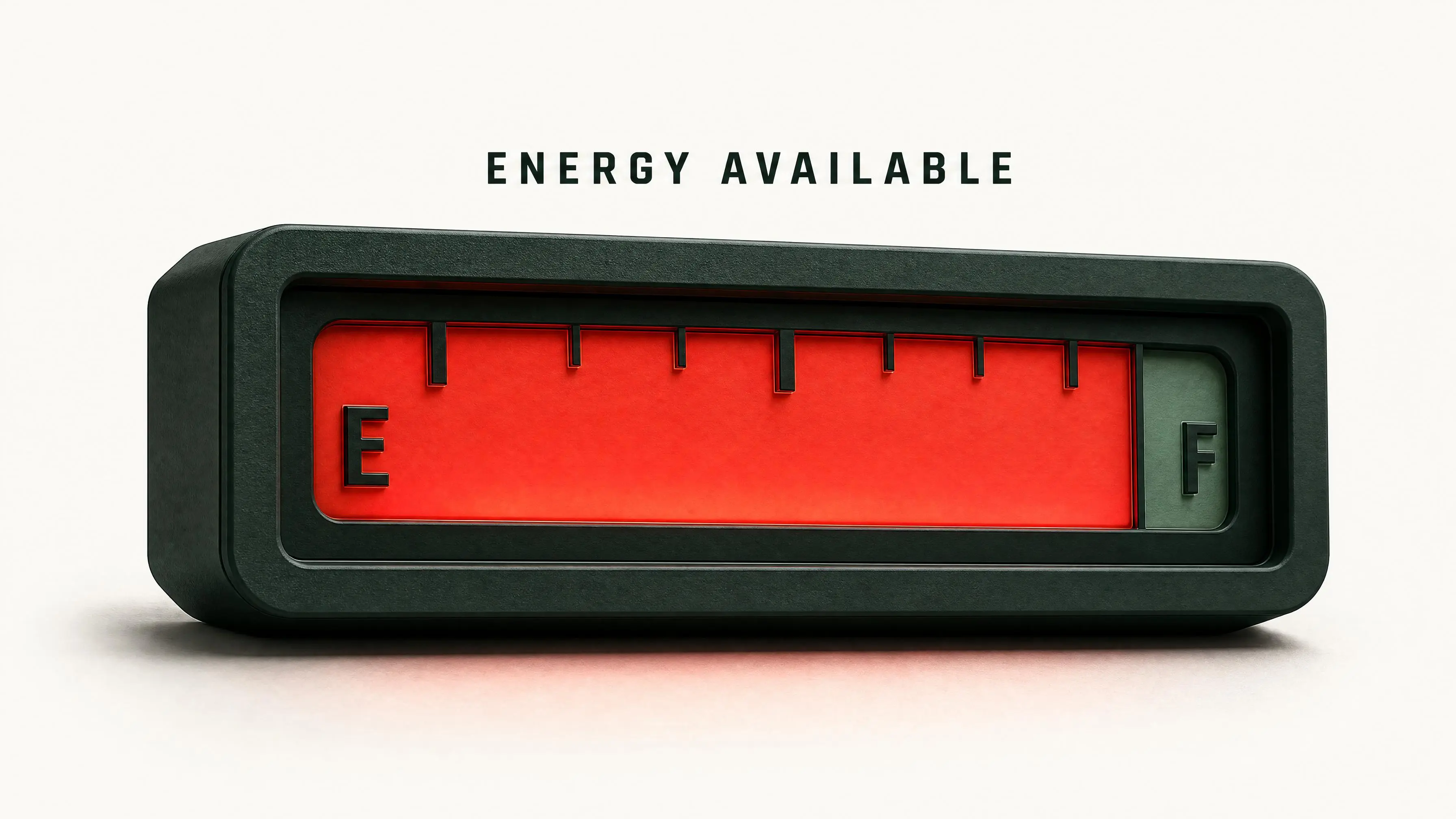
Is your athletic daughter eating enough? The signs worth paying attention to.
You noticed her shorts looked loose, her shin has niggled for weeks, and her period is late. The question is not whether she eats enough at meals. It is whether any fuel is left after training is done. The four signs to watch, the one that comes too late, and when to call the GP.
Read article →
RED-S in teenage girls: the three things every football parent should know.
You've read the signs. Now you want to know what the condition is actually called, what it does to her body, and what the medical team will say. Three things to understand, the language to use with her doctor, and why the timing of treatment matters most in adolescence.
Read article →
Return-to-learn after concussion: the school conversation to have.
Return-to-learn matters as much as return-to-play after concussion. Most parents focus on the football clearance and let school slide back to normal too fast. The brain reacts to homework and classroom noise the same way it reacts to running. Here is the conversation to have with the school in week one and the four-step framework that protects your kid for the next month.
Read article →
Return-to-play after concussion: the protocol that keeps your kid safe.
Return-to-play after a junior football concussion follows a strict six-step framework. Football Australia tightened the protocol in April 2025. Each step needs 24 hours symptom-free before the next. Minimum 11 days from injury to contact training for under-19s. There is no shortcut, and the GP, not the coach, signs off the contact step.
Read article →