Coach and Club Relationships
How to communicate with your child's coach without damaging the relationship. Covers specific situations like selection disputes, playing time concerns, position changes, and when and how to escalate a problem.

Handling sideline conflicts between parents: how to defuse, how to step away, when to escalate.
Two parents on the sideline are starting to argue. Voices are rising. Kids are looking. Other parents are pretending not to notice. You are three metres away. What you do in twenty seconds decides whether the moment is a moment or a season fracture.
Read article →
How not to raise a concern with the club: four mistakes that destroy your case.
It is nine o'clock Sunday night and the email is half written. Don't send it. Four mistakes (plus a bonus fifth) turn a legitimate concern into a file note that says this parent is unreasonable.
Read article →
How to raise a concern with the club: the email that actually gets read.
How to raise a concern with your child's coach by email. Three rules that turn a parent email into a reply, plus a worked template and the FA policy hook for playing time issues.
Read article →
How to thank a coach without making it awkward: three lines that land.
Most parents either do not thank the coach or do it in a way that goes nowhere. The middle path is short, specific, and timed. Three lines, three windows.
Read article →
Is your child's coach actually qualified? The four signs that tell you.
You have been watching the coach at training for six weeks. They are a nice person. You have no idea if they are good at coaching. Four signs you can see at training tell you.
Read article →
Is your child's coach in over their head? Four signs that say yes.
Most junior football coaches in Australia are parent volunteers with one weekend of training. That is normal and the system runs on it. There is a real difference between an enthusiastic volunteer who is learning and a coach whose lack of training is starting to hurt your kid. Four observable patterns, none of them about whether your kid likes the coach.
Read article →
Leaving a club on good terms: the two-step exit.
The decision is made and the kid is moving clubs at end of season. Two steps. One conversation with the coach. One short letter to the committee. Both done by mid-November.
Read article →
Other parents think you favour your own kid. Here's how to address it directly.
Someone said something. Not to your face, to another parent. The team WhatsApp had a weird energy on Sunday. The perception that you favour your own kid has set in.
Read article →
Red flags in a coach: five that mean you act this week.
Last Tuesday the kid came home quiet. By Saturday they did not want to go to the game. You watched the coach on the sideline. Five red flags mean you act this week.
Read article →
Should you say yes to team manager? An honest list of pros and cons.
Someone said they were stepping back. The coach looked at you. The committee chair looked at you. You said yes before you fully understood the role. Now you are reading this on Thursday before pre-season.
Read article →
The Football Australia complaints process: what it covers, what it explicitly does not cover, and the four steps to take before lodging a formal complaint.
You have spent six weeks at the kitchen table writing an email you never send. Before you lodge a formal complaint with Football Australia, four things to do, and five things to know it won't handle.
Read article →
The Member Protection Information Officer at your club: what they do, whether your club is required to have one, and how to contact them when something feels wrong.
Something has gone wrong at your child's club and the coach is the problem, not the channel. The MPIO is who you ring. Here is what they do, and how to find yours.
Read article →
The coach who plays general favourites. The three steps before escalating.
When the same kids start every week and yours does not, three steps work before escalation. Watch a different game. Ask one question anchored in FA's Game Time Policy. Then write.
Read article →
The first coach conversation: the two things to volunteer about your kid, and the one to hold back.
The first conversation with your kid's new coach is short. Five minutes at the end of pre-season training. The two things to volunteer about your kid, and the one to hold back, decide how the season starts.
Read article →
The first-time coach: how parents can quietly help the season hold together.
Your kid's coach is a first-time coach. They have an entry-level accreditation and a quiet anxiety about whether they are doing it right. Five things the parents on the team can do to quietly help.
Read article →
The parent every coach wants on the team: five things that earn the coach's quiet respect.
The parent every coach wants is not the parent with the best football knowledge. Five specific things, none of which require football experience. Doing three of them well puts you in the group the coach is grateful for.
Read article →
The parent who runs the team WhatsApp well: five habits that keep it useful.
The team WhatsApp group is the connective tissue of the season. The parent who runs it well makes the team's organisational life feel light. Five habits that separate good from regrettable.
Read article →
The team WhatsApp, without it owning your evenings: the team manager edition.
The team WhatsApp pings at quarter past ten. A parent asks about Saturday's away ground. You answered the same question Tuesday. The pinned message has it. You reply anyway.
Read article →
The team manager is doing the work nobody sees: how to make their life easier.
The roster that keeps appearing. The fixture updates that always seem to be there. The orange roster that adjusts when someone swaps. None of this happens by itself. The team manager is doing the work nobody sees.
Read article →
The young referee at junior football: how to make their day easier, and why it matters for next season.
The referee is fifteen. They got accredited six months ago. They have done eighteen games before this one. They are doing it for fifty dollars. They are also somebody's kid.
Read article →
Volunteering for the club without burning out: the year-one plan.
You said yes at the AGM. By August someone asked about the registration sub-committee. By November you had stopped going to the AGM. Year one without burnout has a plan.
Read article →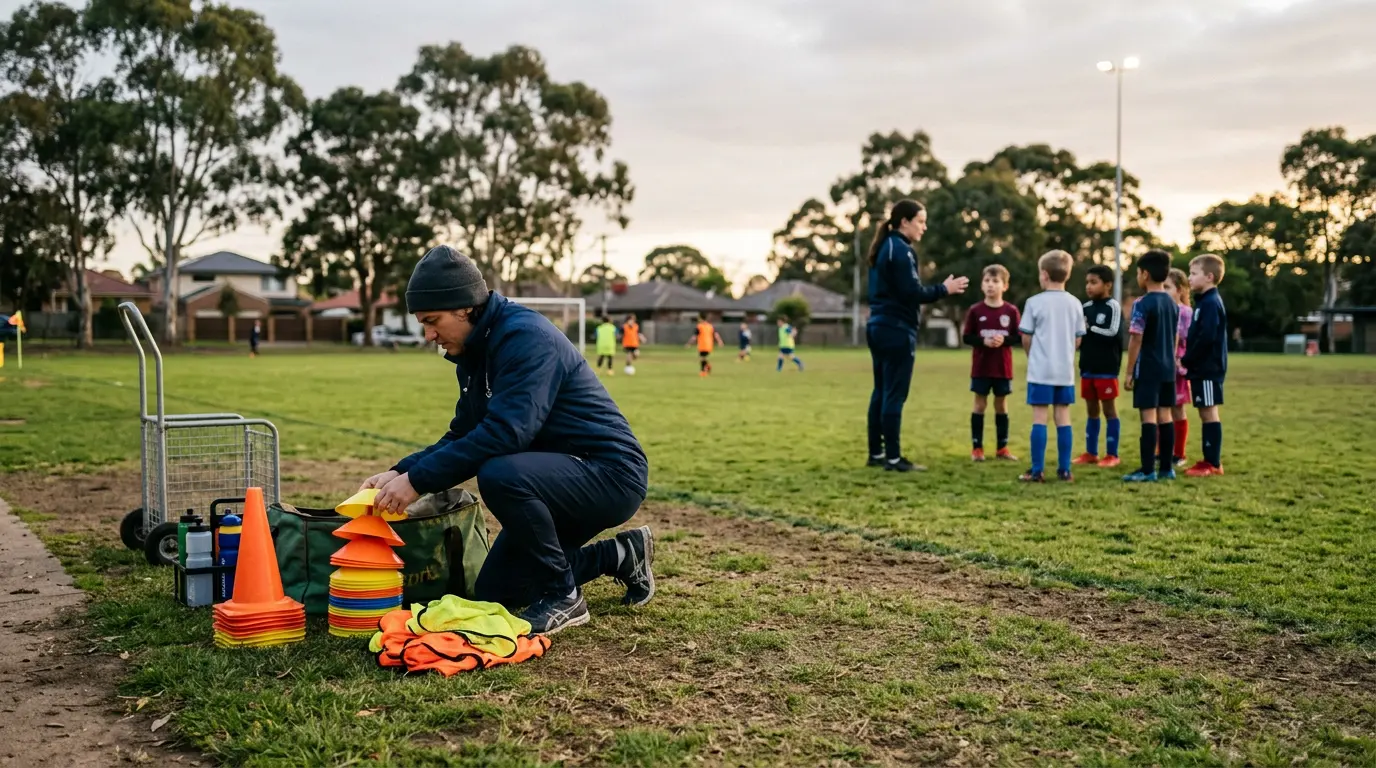
Volunteering for the team without becoming the assistant coach: the line that protects everyone.
You said yes to setting up cones. Six weeks later you are running drills and managing substitutions. You did not sign up to be the assistant coach. You have become one anyway.
Read article →
What coaches actually need from you on the sideline: the four things, ranked.
What coaches actually need from you on the sideline is four things, ranked. Silence during play. Acceptance of referees. Reliable presence. Specific, infrequent feedback. In that order.
Read article →
What the club actually does with complaints. Understanding it before you complain.
Before you click send on Tuesday morning, the full picture of what happens after. Receive, document, investigate, decide, communicate. Five steps, two to six weeks at community-club level, longer at state.
Read article →
When parents bring you grievances and you are not the coach: how to redirect without taking sides.
A parent messages you privately. They are upset about something the coach said. They want you to do something. You are the team manager. You are not the coach. You have three minutes to reply.
Read article →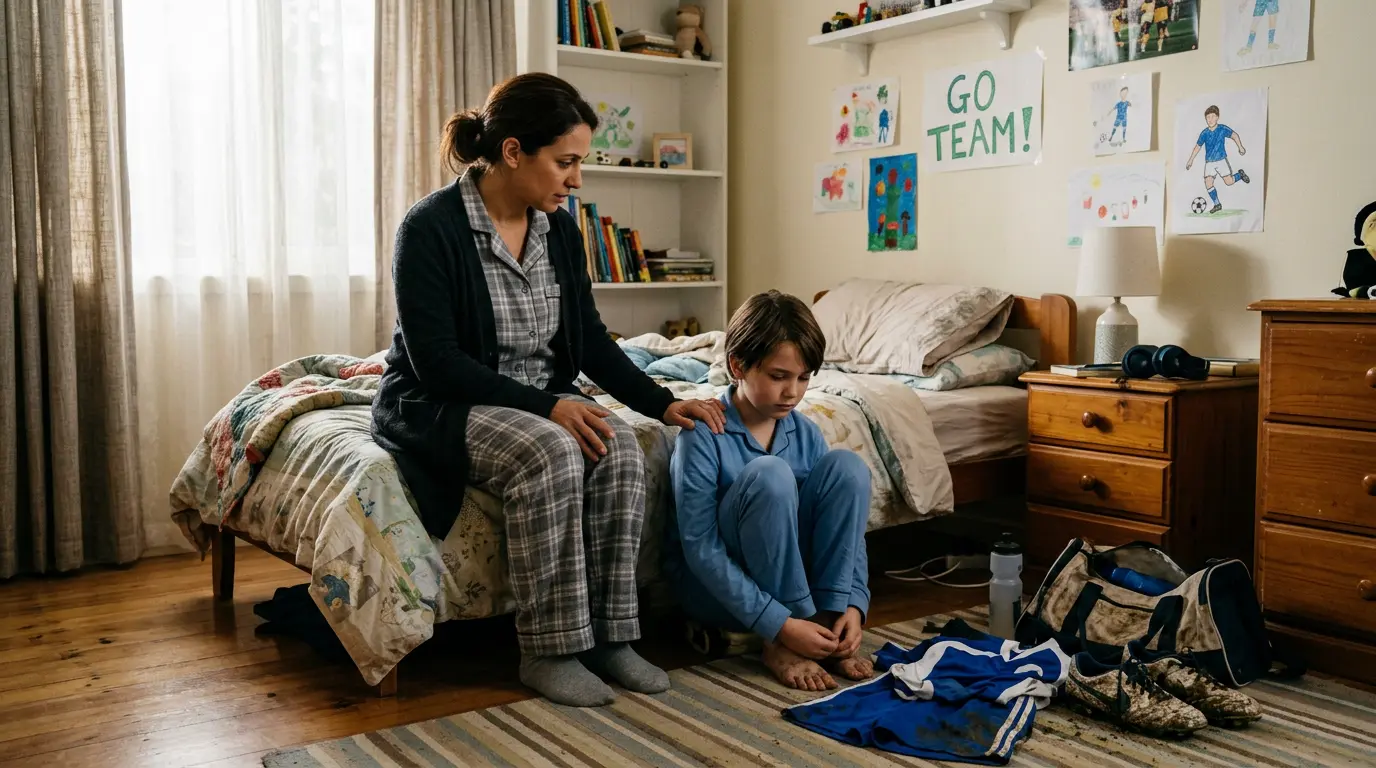
When to leave a club: the immediate-action signs.
Your kid does not want to go to training tomorrow. Last week ended in tears. Four signs that say the season needs to end this week, not at the end of November.
Read article →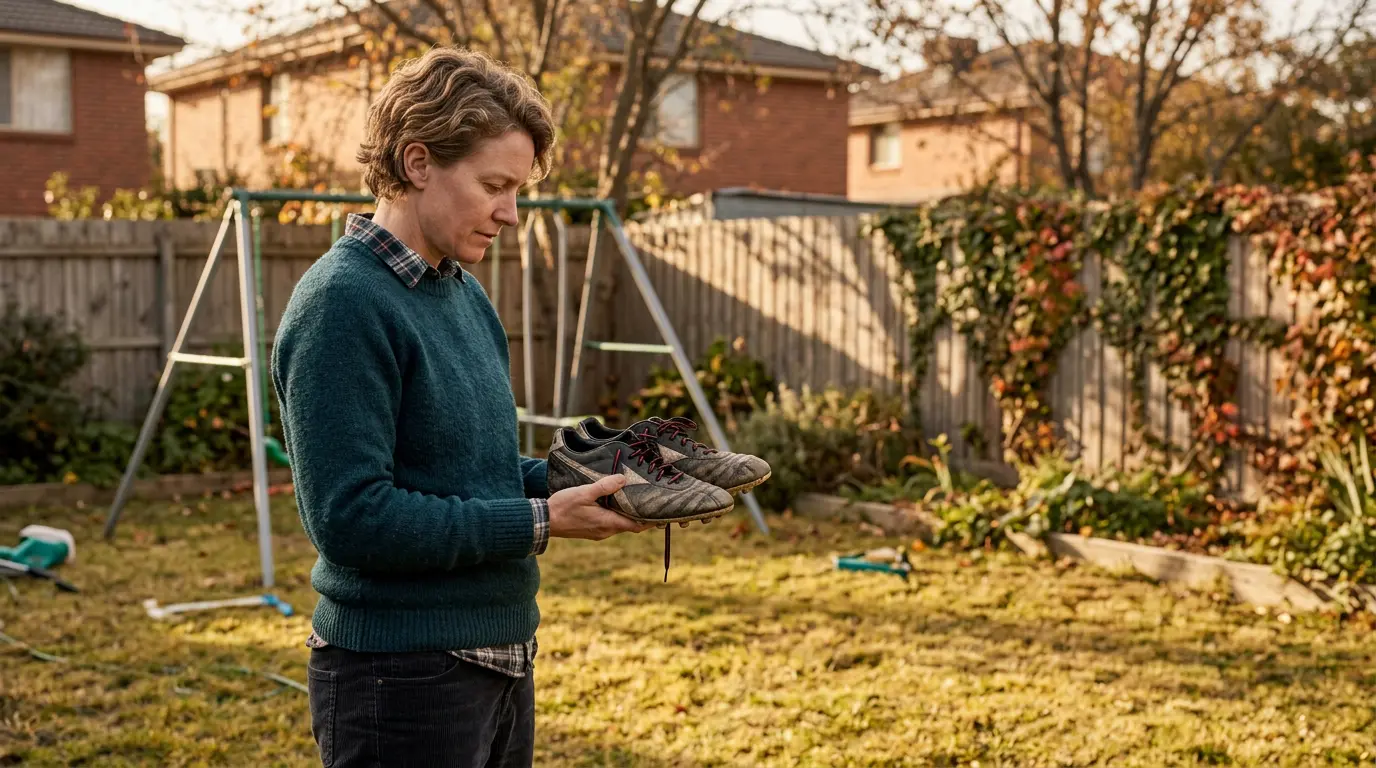
When to leave a club: the six-month signs.
Your kid handed in their boots last week. You have until November to re-register. Six signs decide whether to stay or move. Three or more = consider leaving.
Read article →
When to raise a concern with the club: the test that decides.
You have been carrying it for nine days. Coach said something on the sideline and you cannot get it out of your head. A four-part test decides whether you raise it, or sit on it for another week.
Read article →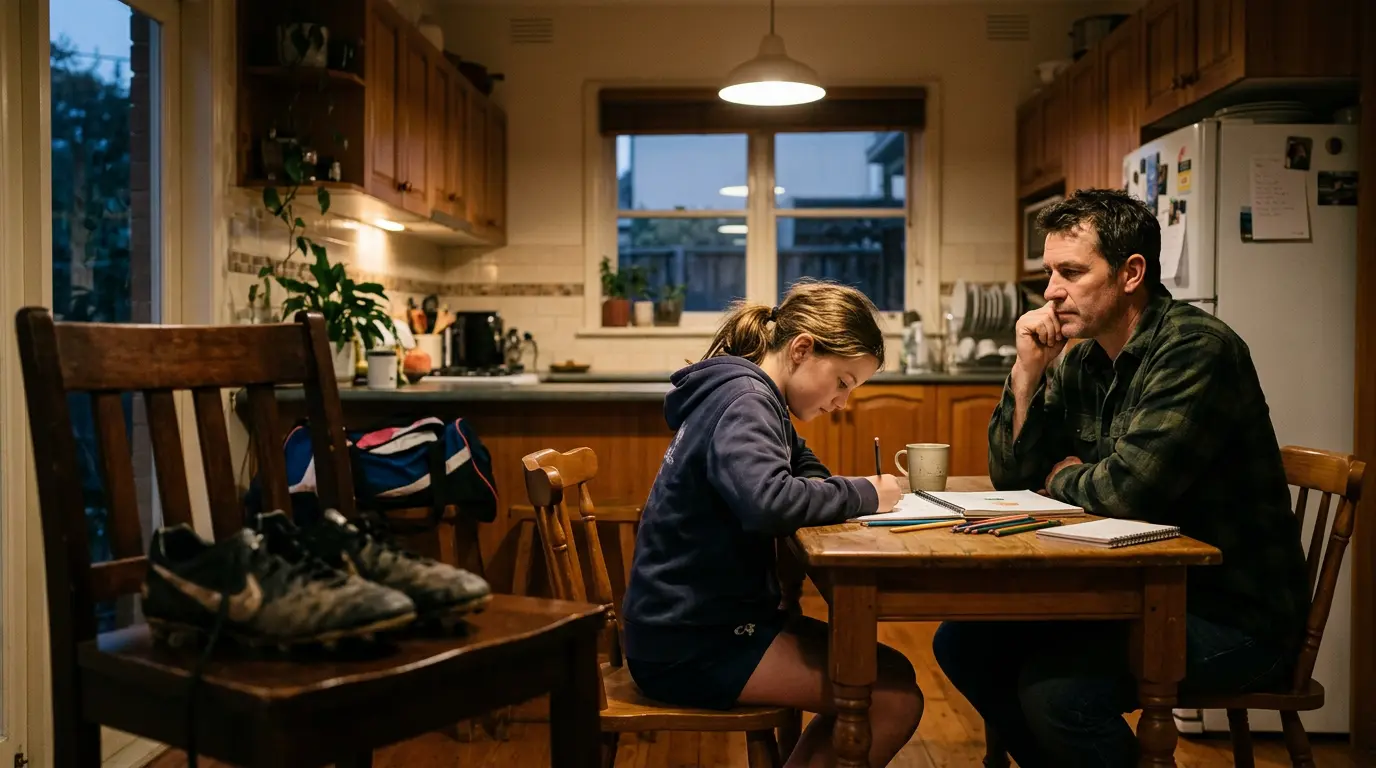
When to stop coaching your own kid. Three signs it's time.
Third year coaching your own kid. The dinner-table conversation has changed. Saturday mornings the kid asks if it is a game day, not because they are excited.
Read article →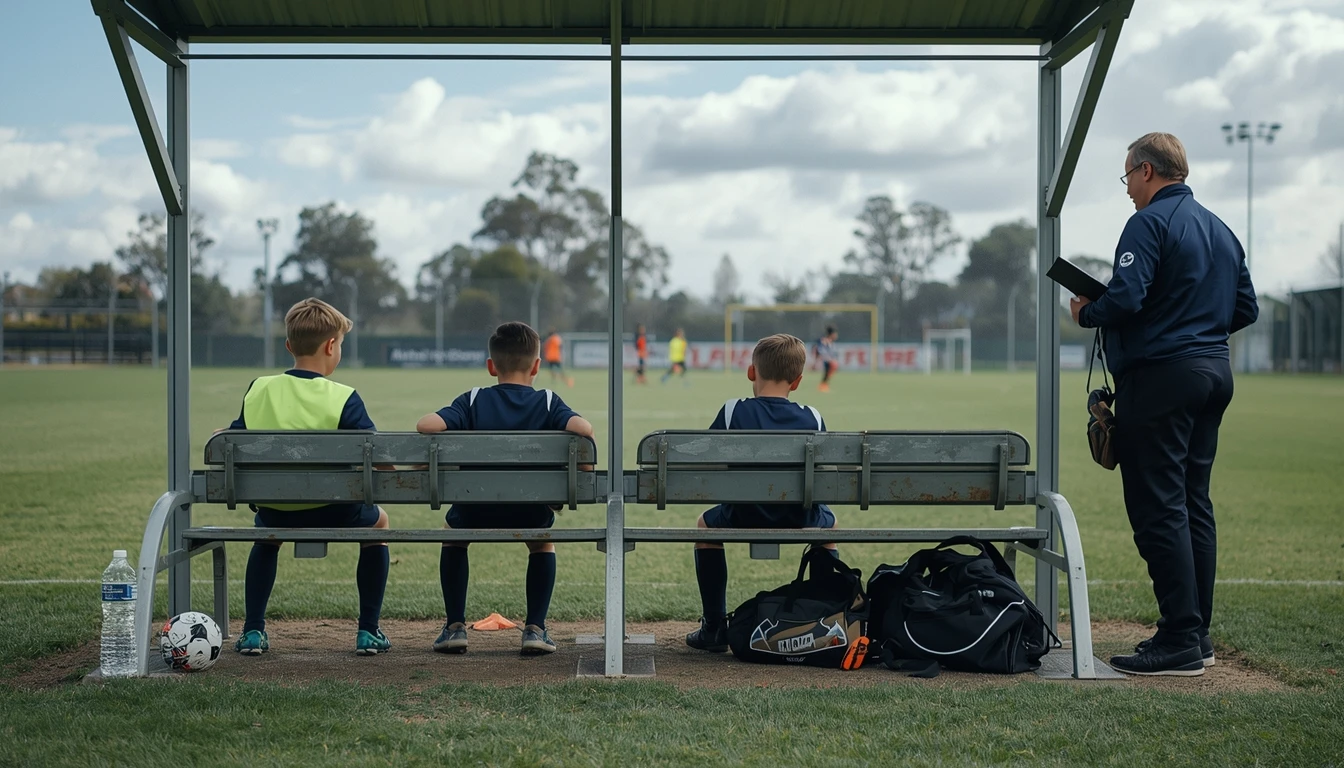
Why is my child sitting on the bench? Four things it might be, and what to do about each one.
Your child sits on the bench week after week and you're convinced the coach is being unfair. Before you say anything, slow down. It's almost always one of four things, and the right move depends on which.
Read article →
Why you cannot formally complain about your child's team selection: what the complaints process actually covers, and what your real options are when you believe a selection was unfair.
Your child got dropped from the squad. You are drafting an email to Football Australia. Close it. The complaints process does not cover selection. Here is the one exception and the four real options.
Read article →
Yellow flags in a coach: four that mean you watch carefully.
The Tuesday training was fine. The Saturday game was fine. Something at the club has been bothering you for three weeks. Four yellow flags to watch carefully without acting yet.
Read article →
You're coaching your own kid. The two rules that save the relationship.
You signed up to coach in March. Your kid is in the squad. Fourteen other kids are not yours. Two rules decide whether the next twelve months work or break.
Read article →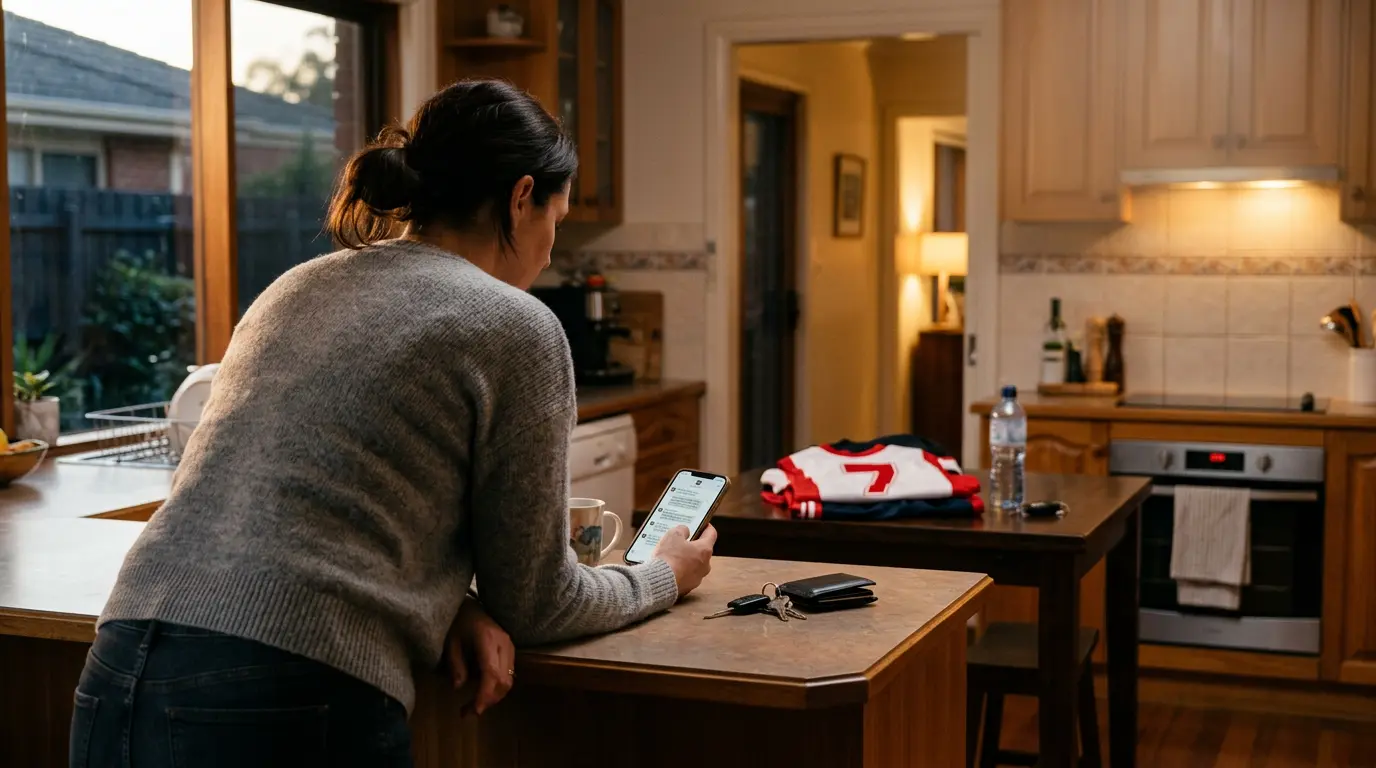
Your child played 25 minutes in an 80-minute game and the coach offered no explanation. What you can ask for and how.
Football Australia publishes a Game Time Policy Template saying U12 and over should get a minimum half game time. 25 of 80 is below that. What it means and how to ask.
Read article →
Your first month as team manager: the things to set up before the season starts.
You said yes at the AGM in February. Pre-season starts in three weeks. Your first month as team manager is the period that decides whether the rest of the year is manageable or whether you are constantly catching up.
Read article →