Game Day
How to prepare your child before a game, what to do during it, and how to handle the car ride home. Covers special situations like bad weather, difficult opponents, and what to do when your child has a bad game.
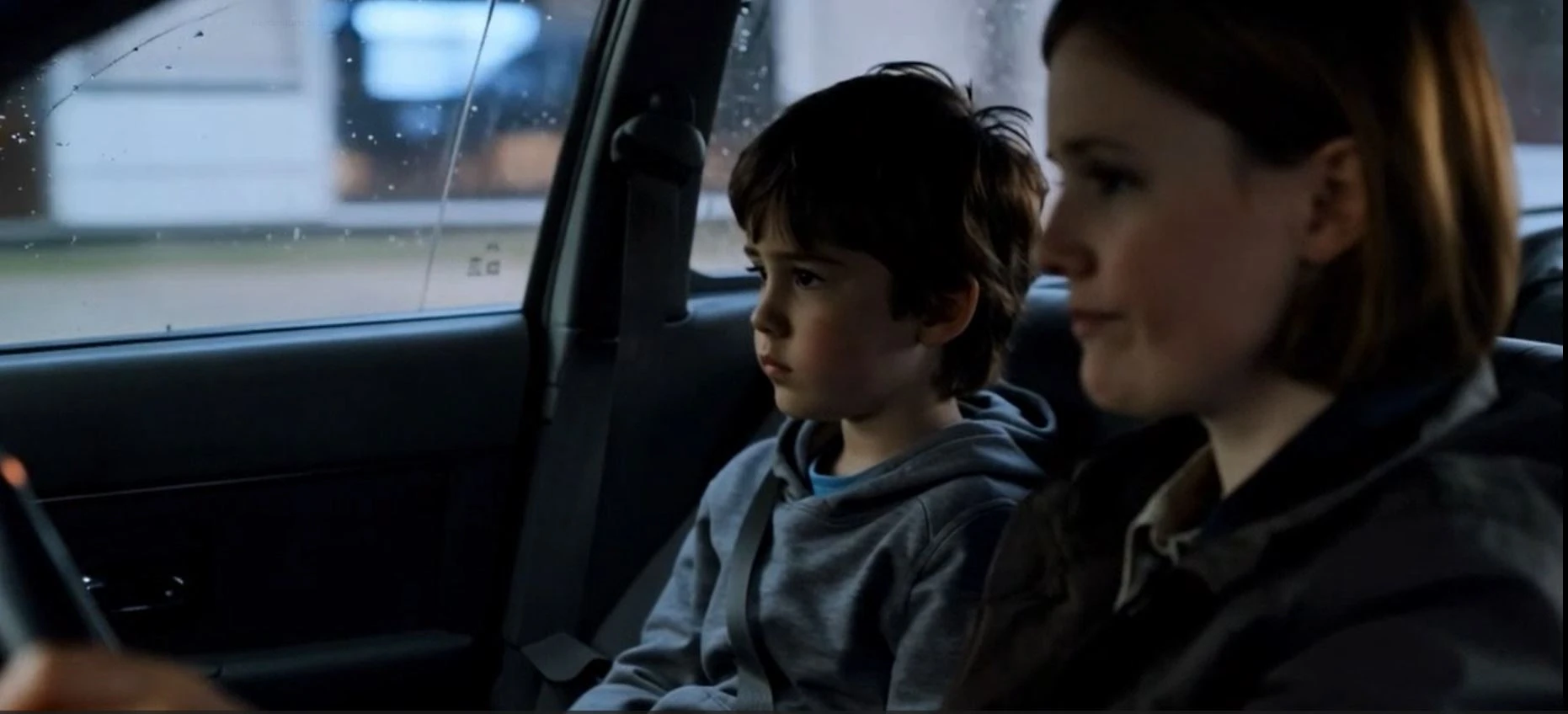
The car ride home, and the one line that changes everything
The first thing you say in the car after a junior football game shapes how your kid feels about the whole season. The line that consistently works. What to do with silence. And the three things most parents reach for without thinking.
Read article →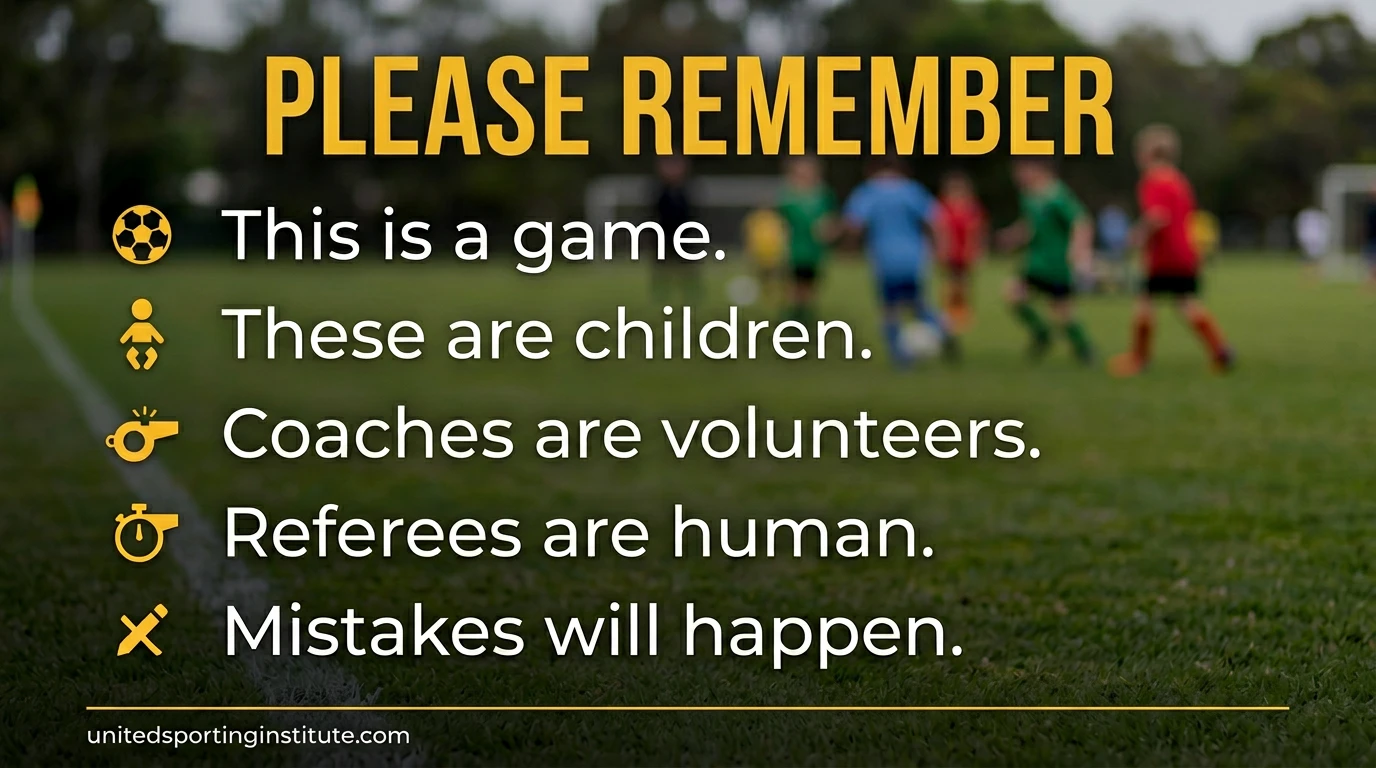
The sideline rules nobody tells you
This is a game. These are children. Coaches are volunteers. Referees are human. Mistakes will happen. The sideline rules at junior football start with five reminders, and the rest is what nobody puts on the poster, including the thing parents quietly do that costs the kids the most.
Read article →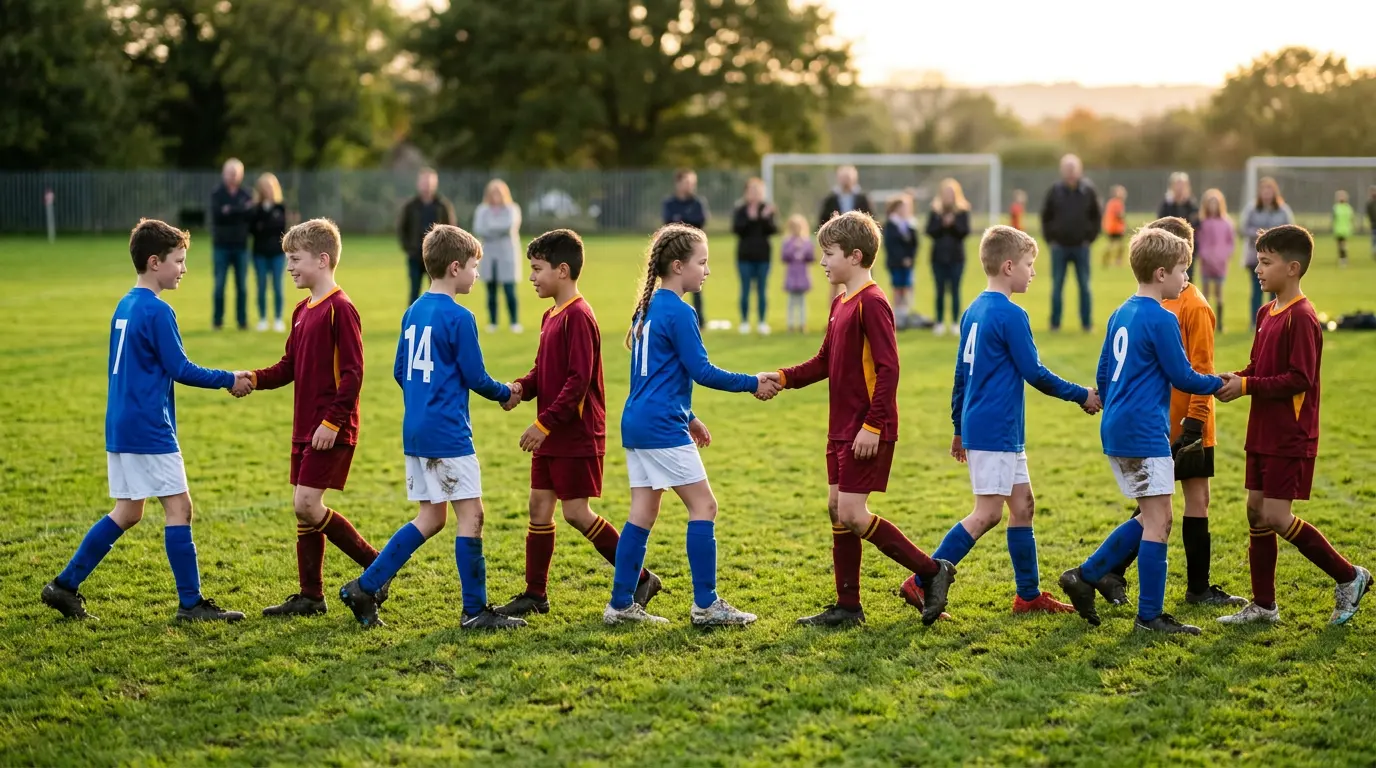
Post-game handshake etiquette: what to teach your kid, what to model yourself.
Post-game handshake etiquette in three rules. Both sides line up. Words minimal, eye contact for one second. The kid handles tough handshakes the same way as easy ones.
Read article →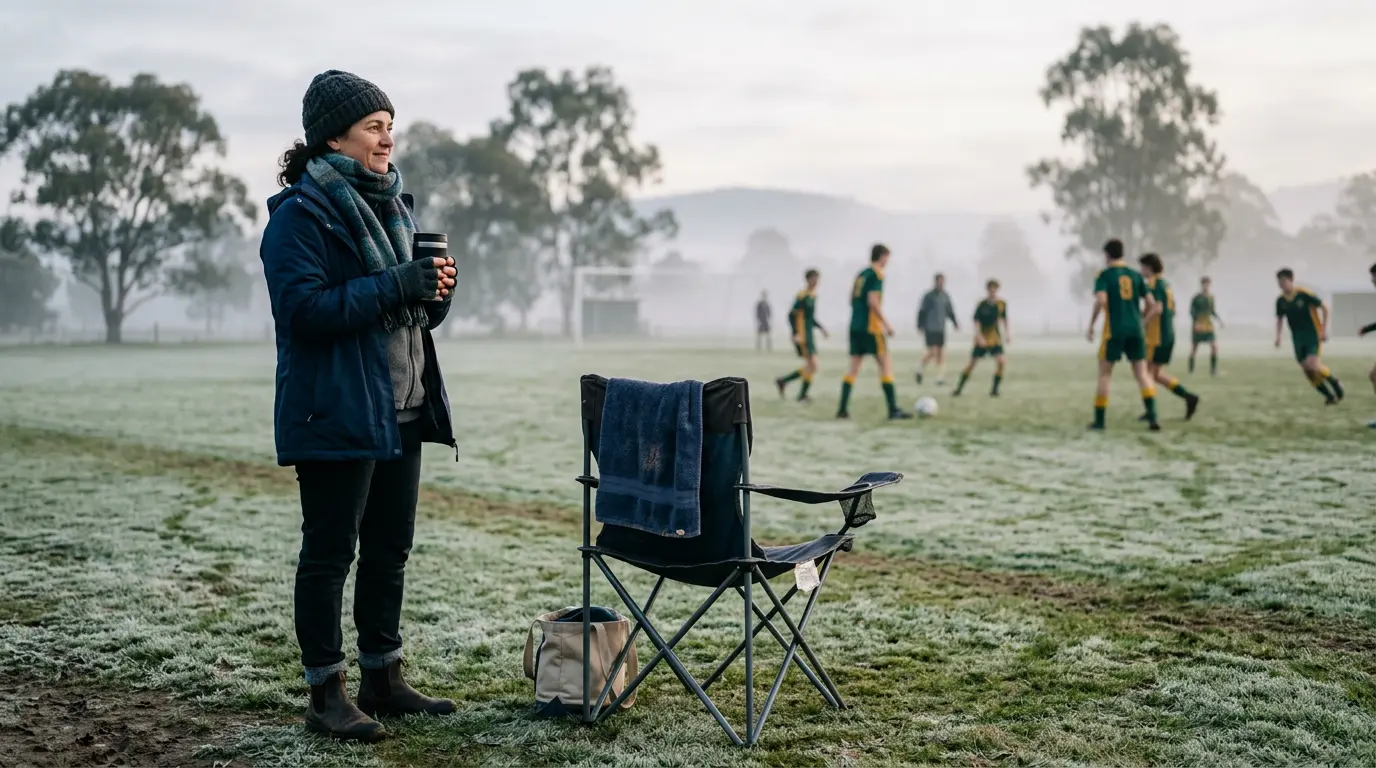
The cold game-day morning: what to bring so you actually enjoy it.
Six degrees. Wet field. Eight o'clock kick-off. The cold morning is the one that decides whether you enjoy the season. Five things in the bag and a small bit of night-before prep.
Read article →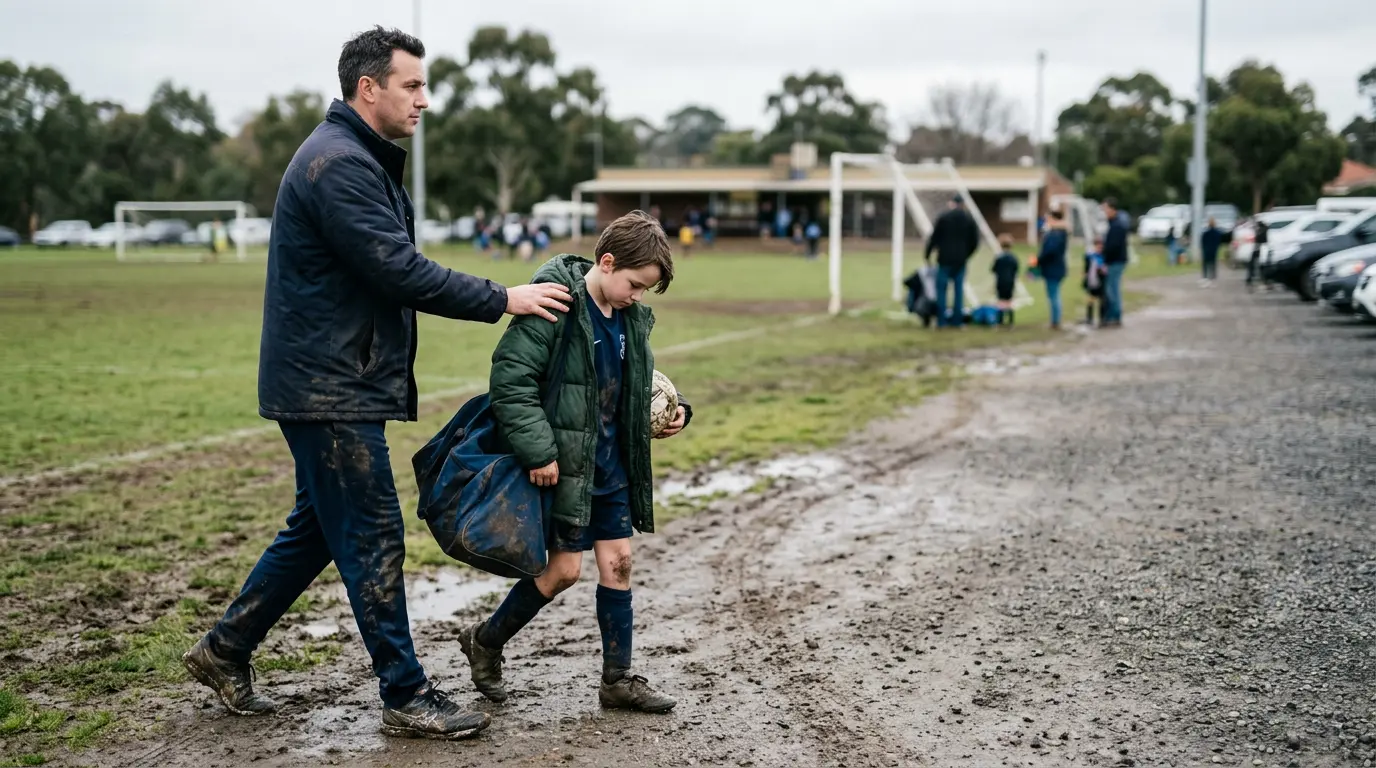
The first thing to say after your kid loses. The line that works, regardless of age.
Tough one. What do you want to do tonight? Eight words after a loss. Acknowledges, pivots to the evening, and signals the parent is steady. Works at any age.
Read article →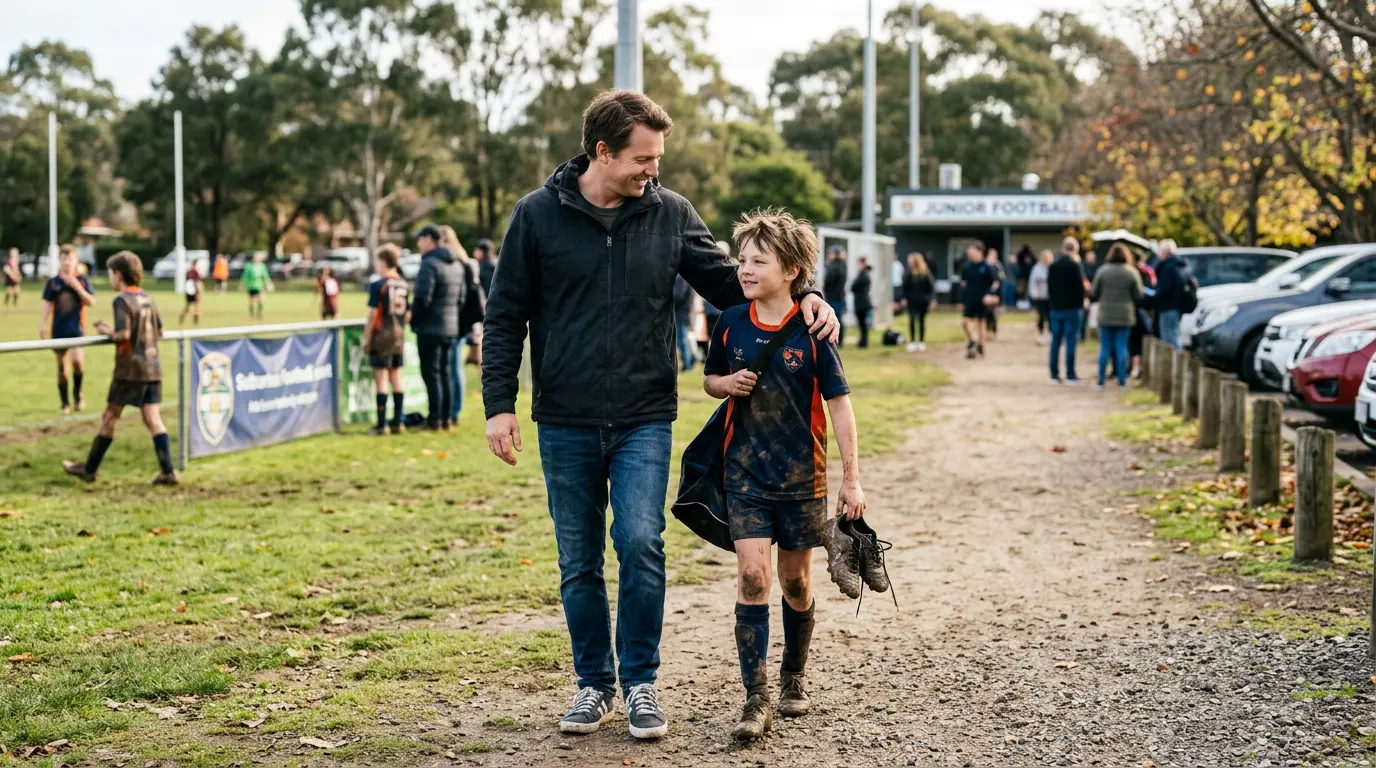
The first thing to say after your kid wins. Three good options, one to avoid.
The first thing to say after your kid wins is a question, not a comment. Six words that work at any age, three options that resonate, and one line to avoid.
Read article →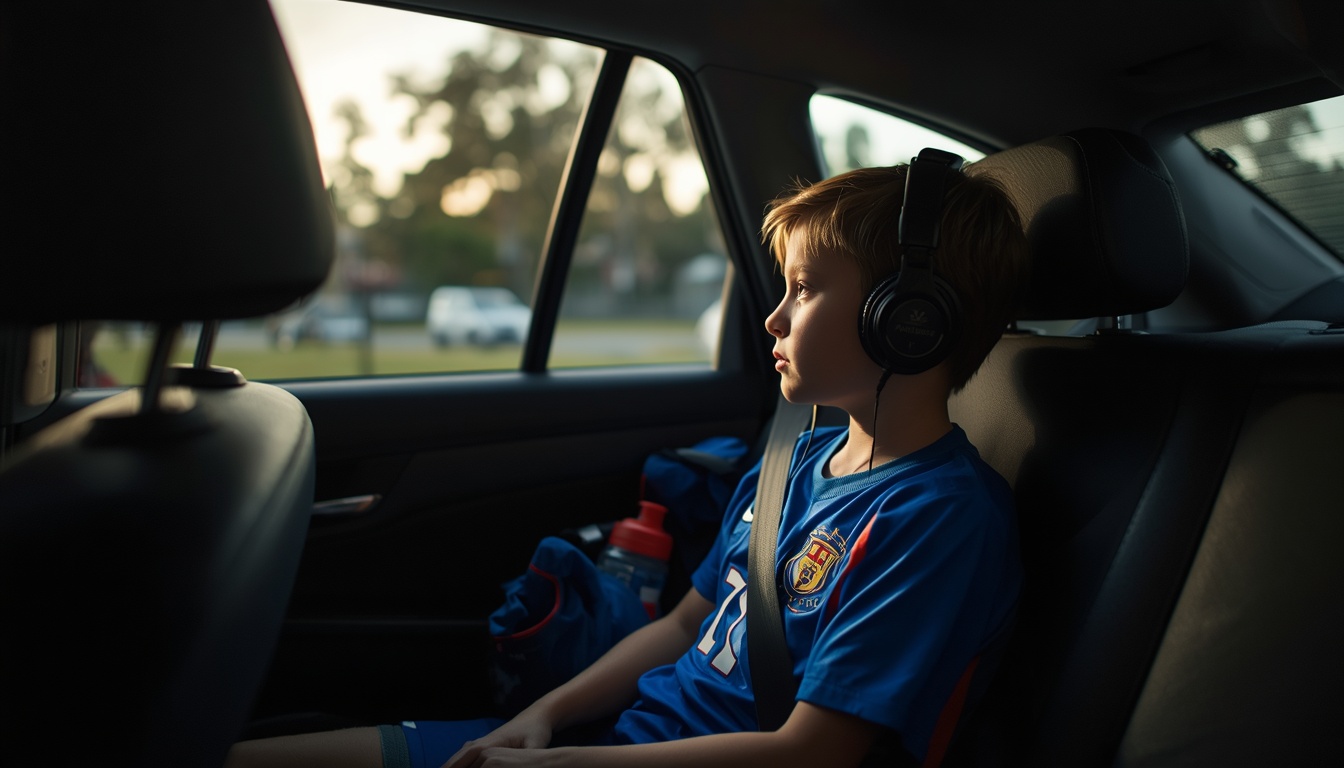
The silent drive home, what it usually means, and how to handle it
Your kid won't speak after the game. The silence isn't aimed at you, and filling it with a debrief is the worst thing you can do. Why kids go quiet, what not to ask, and when to just leave it alone.
Read article →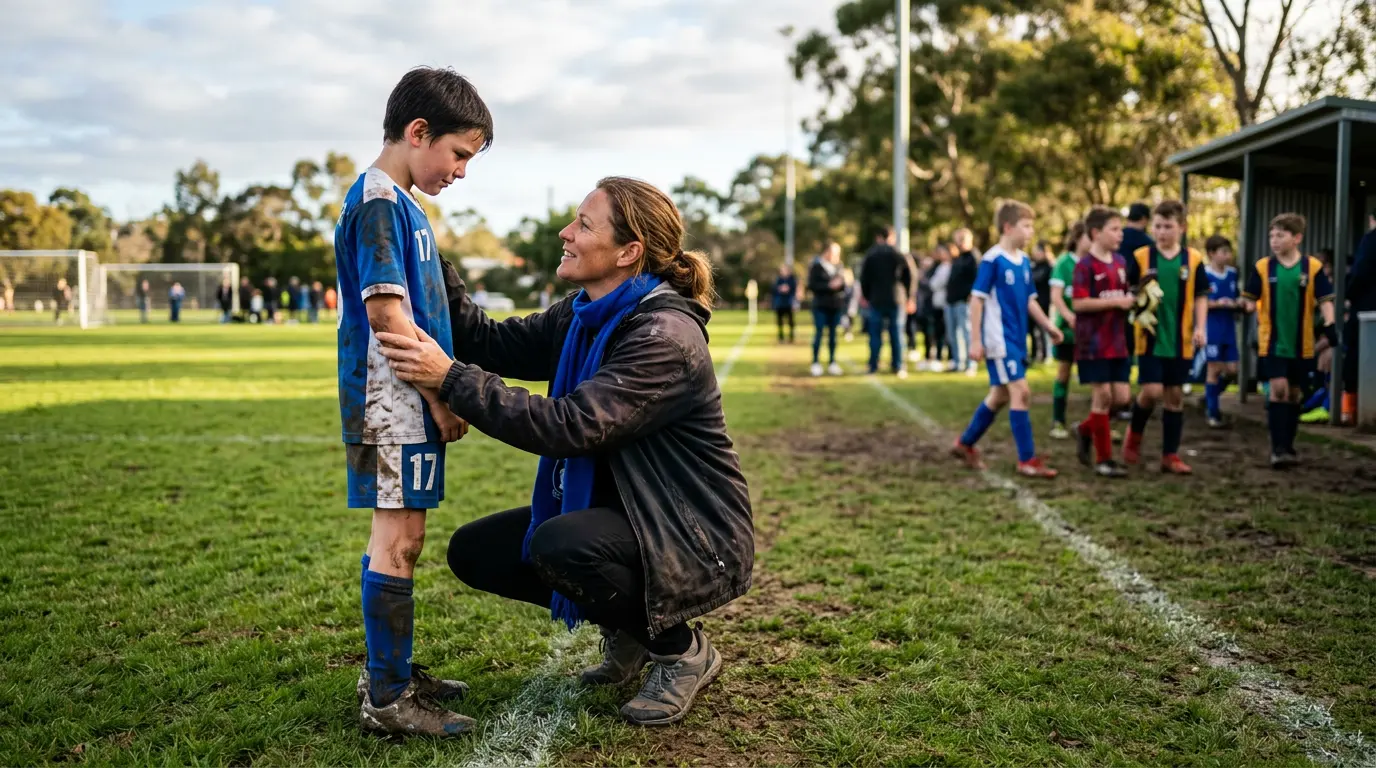
They played great but lost. Here's what to say in the next two minutes.
They played great. The team lost. The kid is somewhere between proud and gutted. The first two minutes after the whistle decide how the next 24 hours go.
Read article →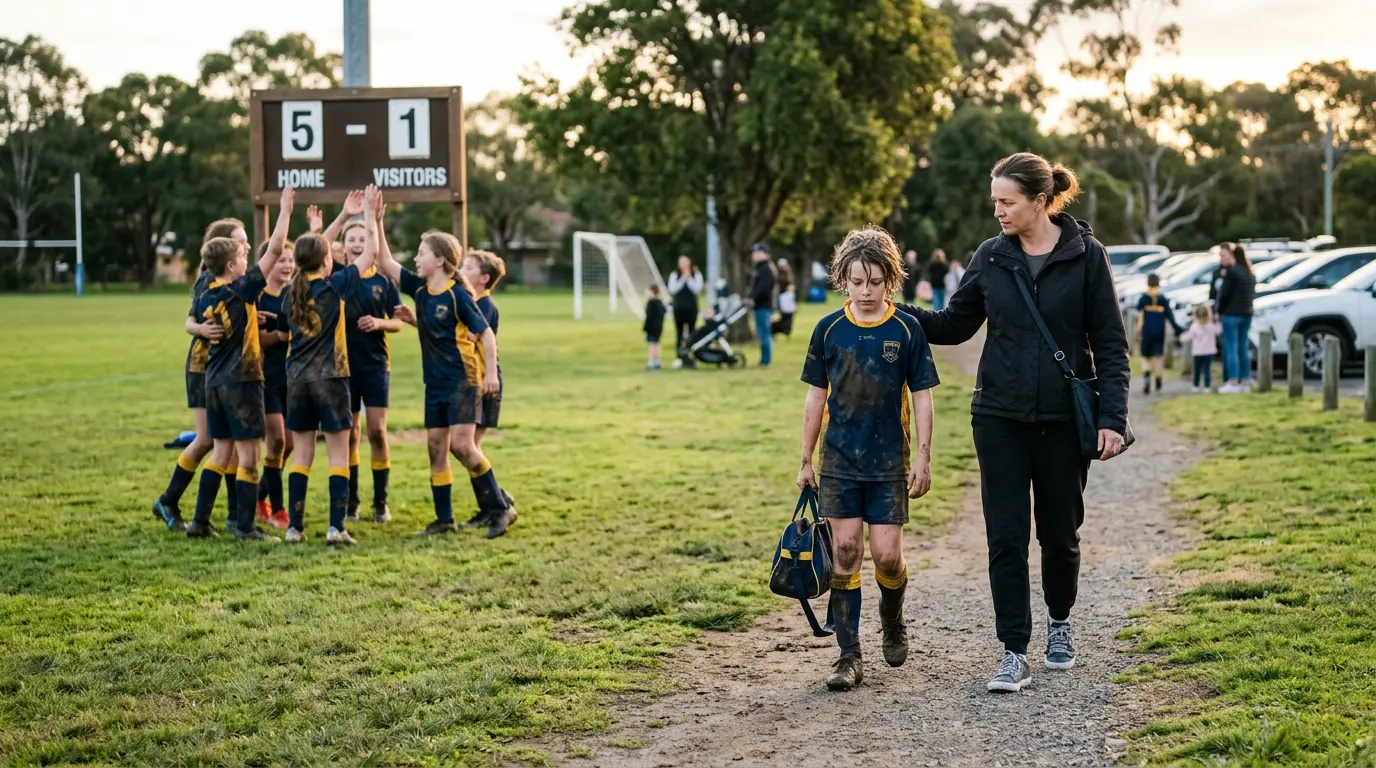
They played poorly but won. The words that actually help them learn.
The team won. Your kid played poorly. They are walking off the field knowing it. The twelve-word line that works in the first two minutes, and what to avoid.
Read article →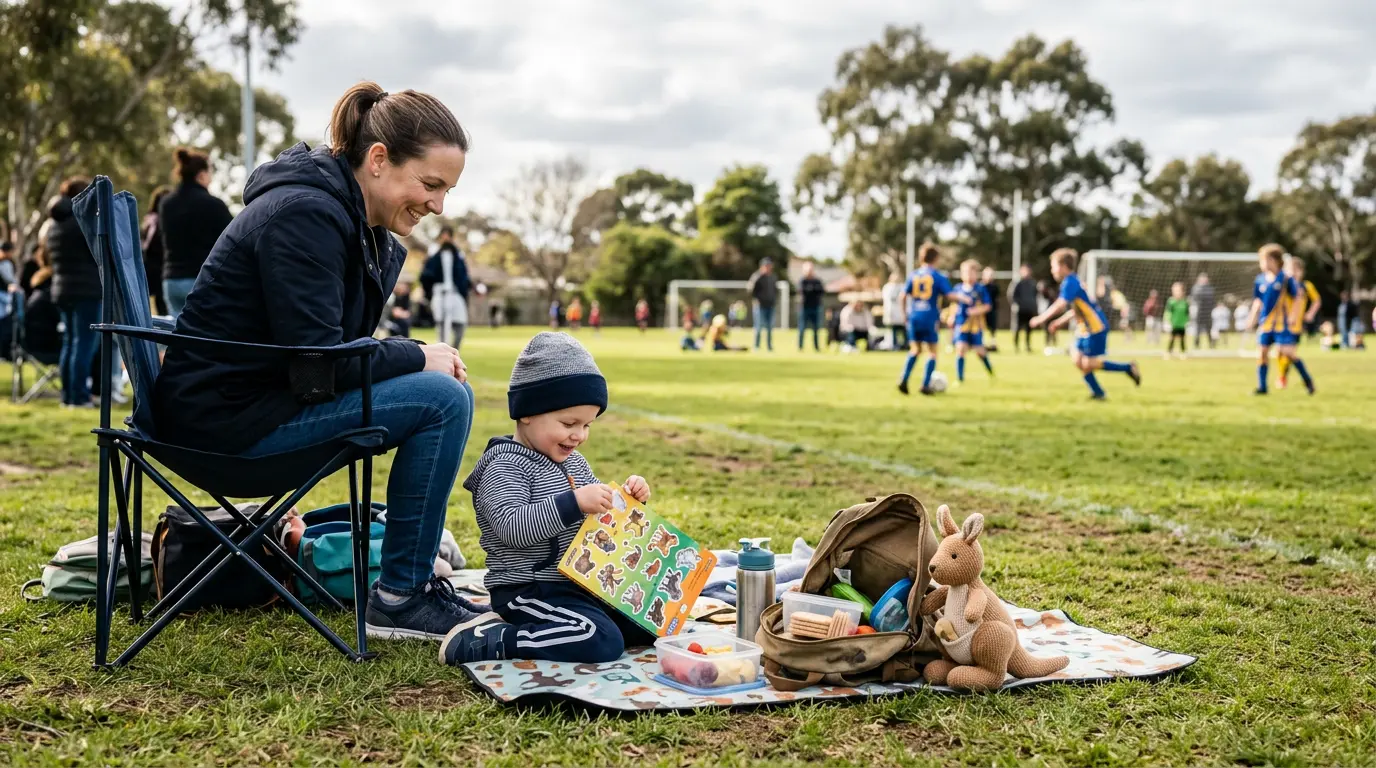
Watching a long game with a toddler in tow: the five-item survival kit.
Long game, toddler in tow, eighty minutes of sideline ahead. Five items in the bag turn the morning from a stress event into a manageable one. The list is below.
Read article →
What other parents judge you for at games, and why you should care about two of them.
You arrived late. Your kid was in mismatched socks. You did not bring a chair. Two things actually matter to other parents at the sideline. The rest is in your head.
Read article →
What to actually watch when your U7 plays
Your U7 is somewhere in a cluster of eight 6-year-olds chasing a ball, no positions, no offside, no idea. Every now and then she looks up to find your face. You came here to support her. You don't know what you're watching. This is for you.
Read article →
Your child got benched for most of the game. Here's how to respond when they ask why.
Your kid played twelve minutes of an eighty-minute game. They sat on the bench for the rest. At four in the afternoon they finally ask why. Three things to know, four lines that work.
Read article →